
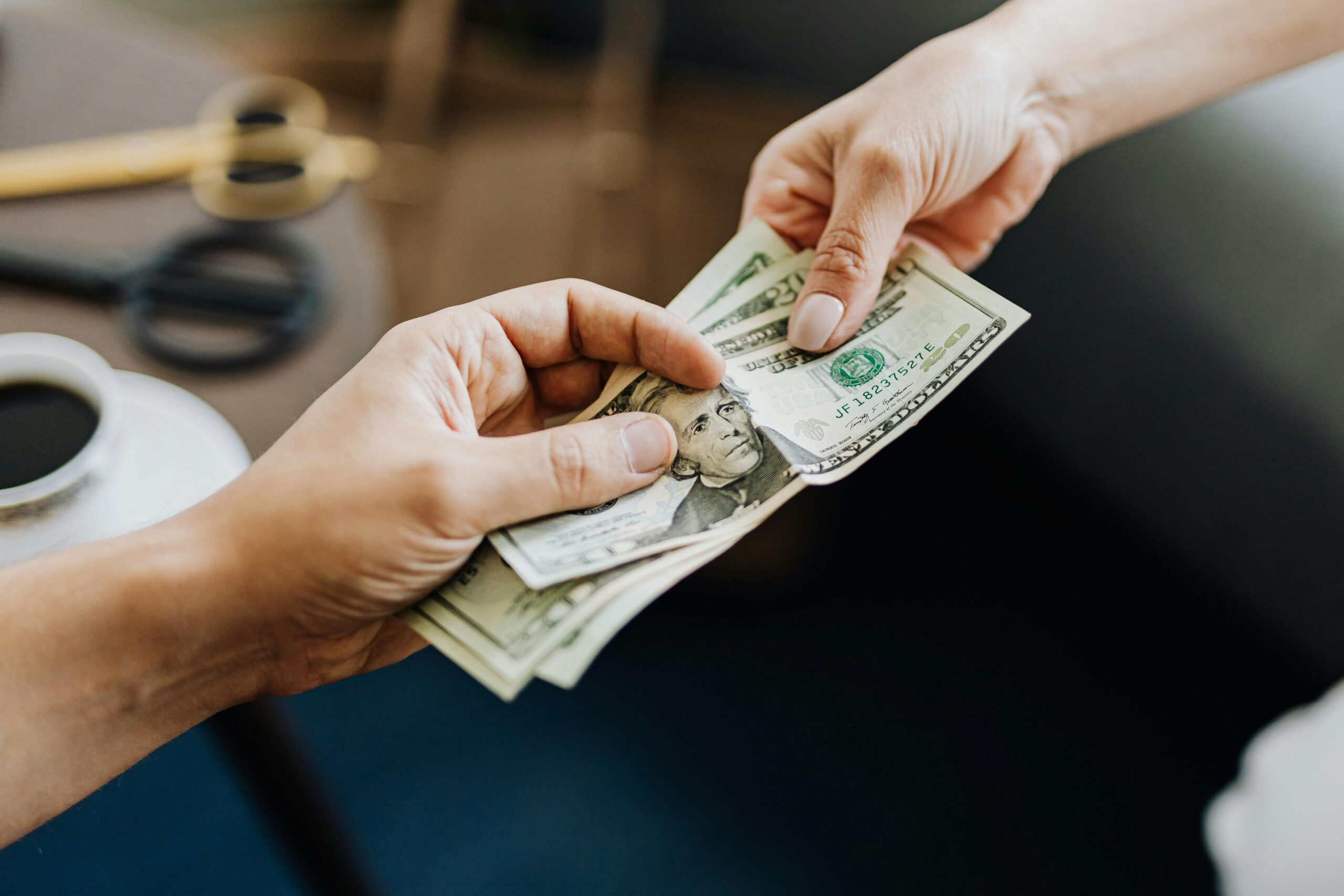
The executive landscape of the life sciences sector remains one of the most lucrative in the global economy. As we analyze the Highest-Paid Biopharma CEOs for 2026, it is clear that “at-risk” equity incentives and the commercial explosion of GLP-1 therapies are driving individual pay packages to historic heights. This year’s data, pulled from the latest 10-K filings and SEC Proxy Statements, reveals a sector where performance-based milestones are no longer just bonuses—they are the primary engine of wealth creation for industry leaders.
Key Takeaways: The 2026 Biopharma Pay Landscape
- Uğur Şahin (BioNTech SE) continues to top the industry with an extraordinary $287 million in total compensation, largely realized through 2019-era stock options.
- David Ricks (Eli Lilly) saw a significant boost to $36.7 million, fueled by the dominance of the company’s obesity and diabetes portfolio.
- Equity Dominance: Across the top 20, approximately 80–93% of total compensation is classified as variable and at-risk, tied directly to long-term shareholder return.
- Leadership Transitions: 2026 has seen major shifts, including the departure of Emma Walmsley (GSK) and Paul Hudson (Sanofi), both of whom leave with substantial performance-linked packages.
Rankings of the Highest-Paid Biopharma CEOs of 2026
The following table outlines the total compensation for the industry’s top executives. Figures include base salary, cash bonuses, and the fair value of equity grants or realized options.
| Rank | Executive Name | Company | Total Compensation (USD Equivalent) |
|---|---|---|---|
| 1 | Uğur Şahin | BioNTech SE | $287.0 Million |
| 2 | Marc Casper | Thermo Fisher Scientific | $93.1 Million |
| 3 | Martine Rothblatt | United Therapeutics | $43.7 Million |
| 4 | David Ricks | Eli Lilly and Co. | $36.7 Million |
| 5 | Robert Michael | AbbVie Inc. | $32.5 Million |
| 6 | Vasant Narasimhan | Novartis AG | $28.2 Million (CHF 24.9M) |
| 7 | Albert Bourla | Pfizer Inc. | $24.6 Million |
| 8 | Christopher A. Viehbacher | Biogen Inc. | $24.2 Million |
| 9 | Pascal Soriot | AstraZeneca PLC | $22.9 Million |
| 10 | Reshma Kewalramani | Vertex Pharmaceuticals | $21.5 Million |
| 11 | John V. Oyler | BeiGene Ltd. | $20.8 Million |
| 12 | Stéphane Bancel | Moderna Inc. | $19.9 Million |
| 13 | Linda Powers | Northwest Biotherapeutics | $18.0 Million |
| 14 | Hervé Hoppenot | Incyte Corp. | $17.5 Million |
| 15 | Thomas J. Appio | Bausch Health Companies | $16.2 Million |
| 16 | Alexander Hardy | BioMarin Pharmaceutical | $14.9 Million |
| 17 | Emma Walmsley | GSK PLC | $14.0 Million (£10.8M) |
| 18 | Paul Hudson | Sanofi SA | $10.9 Million (€10.0M) |
| 19 | Yvonne L. Greenstreet | Alnylam Pharmaceuticals | $8.9 Million |
| 20 | Jon P. Stonehouse | BioCryst Pharmaceuticals | $8.3 Million |
Trends Driving Compensation for the Highest-Paid Biopharma CEOs
The 2026 data highlights a widening gap between legacy “Big Pharma” leaders and biotech founders who benefit from massive stock option realizations. Here is a closer look at the key drivers for the top-tier earners.
1. The BioNTech Windfall: Uğur Şahin
Maintaining his position as the top earner, Uğur Şahin’s $287 million package is a masterclass in timing. According to Fierce Pharma reports, the bulk of this figure comes from exercising 4.37 million shares at an “intrinsic value” of roughly $281 million. These options were granted in 2019, predating the company’s mRNA-driven valuation surge during the pandemic.
2. Obesity and Immunology: The Ricks and Michael Surge
Eli Lilly CEO David Ricks received a $36.7 million package in 2025, a reflection of Lilly’s unprecedented market cap growth driven by Zepbound and Mounjaro. Similarly, AbbVie’s Robert Michael saw his pay spike 75% to $32.5 million. This increase was justified by the successful market absorption of Humira’s biosimilar competition and the growth of the Skyrizi and Rinvoq portfolios, which reached $61.1 billion in annual sales.
Equity and Performance: How the Highest-Paid Biopharma CEOs Are Measured
A recurring theme among the Highest-Paid Biopharma CEOs is the “at-risk” nature of their wealth. For example, Stéphane Bancel of Moderna and Alexander Hardy of BioMarin both have over 92% of their pay tied to long-term incentives. This ensures that while the base salary remains competitive, the true “generational wealth” is only unlocked if the clinical pipeline translates into shareholder value.
References
- [1] BioNTech SE Annual Report & Proxy. BioNTech IR
- [2] Eli Lilly and Co. SEC Filing – March 6, 2026. Lilly SEC Filings
- [3] AbbVie Inc. Proxy Statement 2026. AbbVie Investor Relations
- [4] Fierce Pharma: “Lilly CEO David Ricks collects $36.7M pay package for 2025”. Source Link
- [5] GSK PLC: “Annual Report FY 2025”. GSK Investors
- Company Report Compiled